Most people do not think about their fire alarm system until it makes noise at the worst possible time. A late-night alarm. A confusing trouble signal during a busy workday. A call from a tenant who is worried and wants answers right now. In those moments, the question is not just whether the horns and strobes work. It is whether the right people get the right information fast enough to act.
That is where the difference shows up in fire alarm monitoring vs self-monitoring. The biggest gap is not the equipment on the wall. It is what happens after the signal is triggered, especially when nobody is on-site, the building is closed, or the person who gets the alert is busy, asleep, or unsure what to do.
This guide breaks down fire alarm monitoring vs self-monitoring, including how each option works, where each one fits, and what to look for if you manage a business, a multifamily property, or any building with a required fire alarm system.
What “monitoring” means in plain English
Monitoring describes how your fire alarm system communicates events off-site and how those events are handled. Fire alarm systems can transmit different types of signals, including alarm events, supervisory conditions (like a sprinkler valve issue), and trouble conditions (like a device or communication problem). The monitoring decision is really a decision about reliability and response.
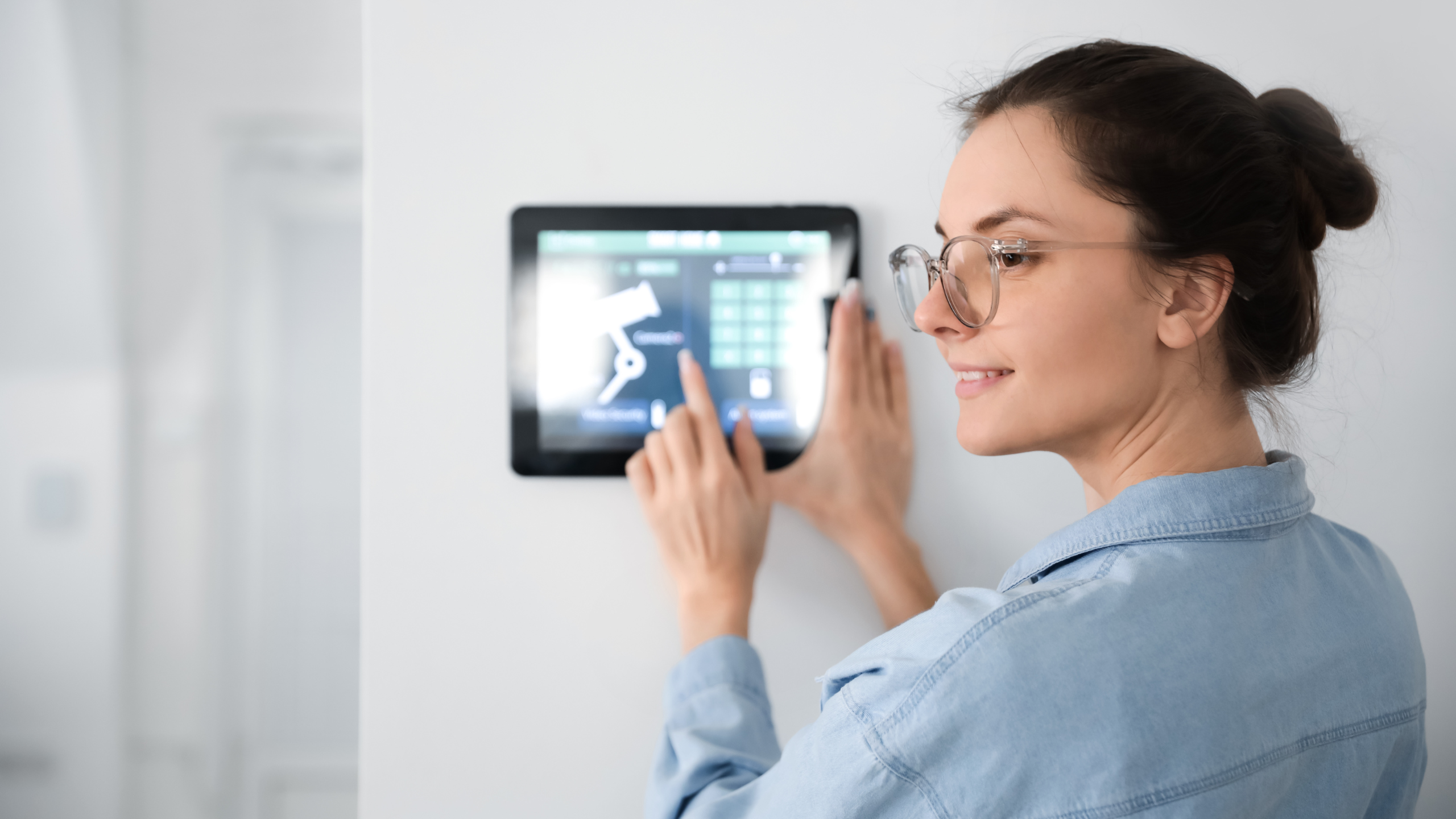
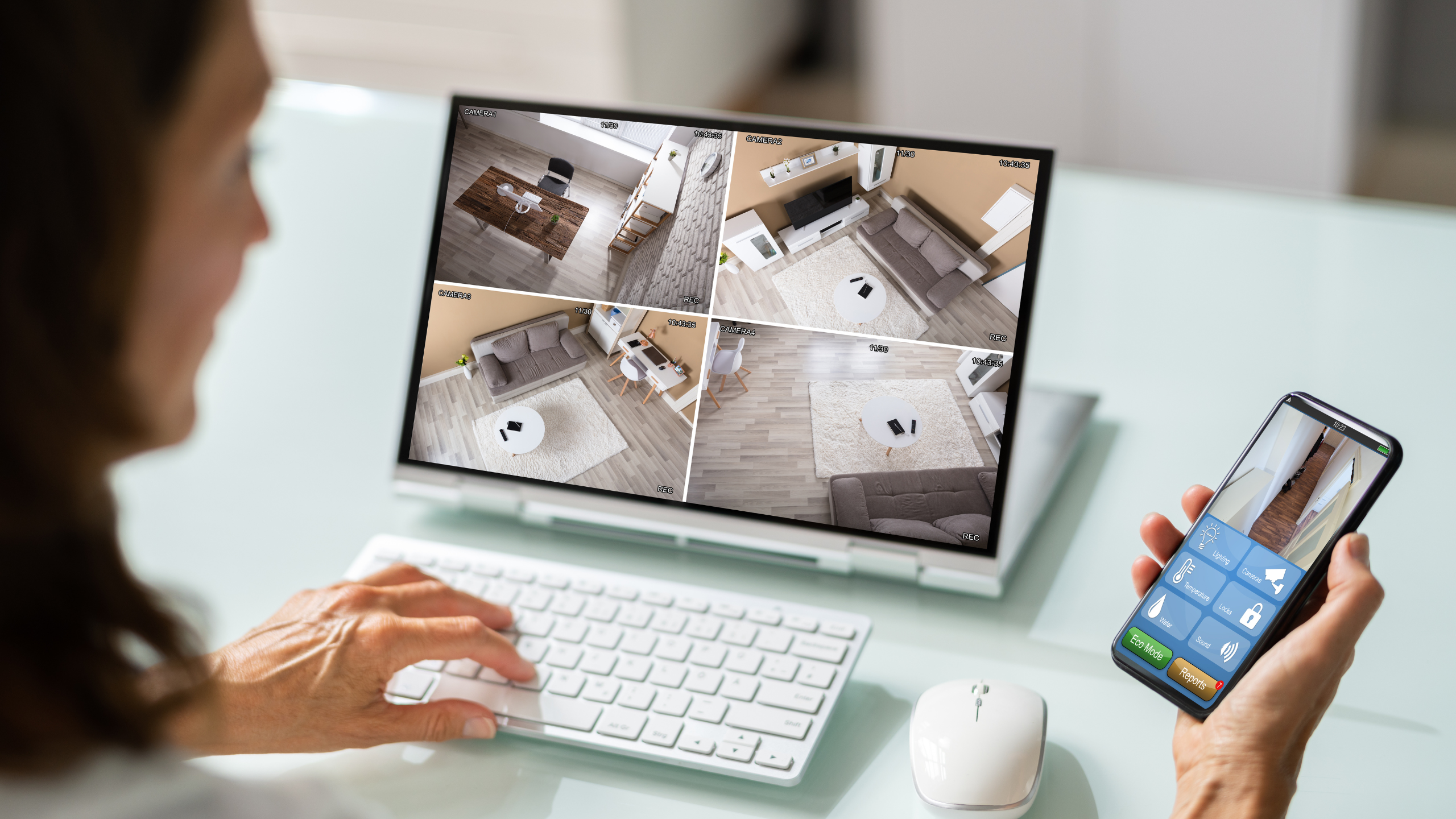
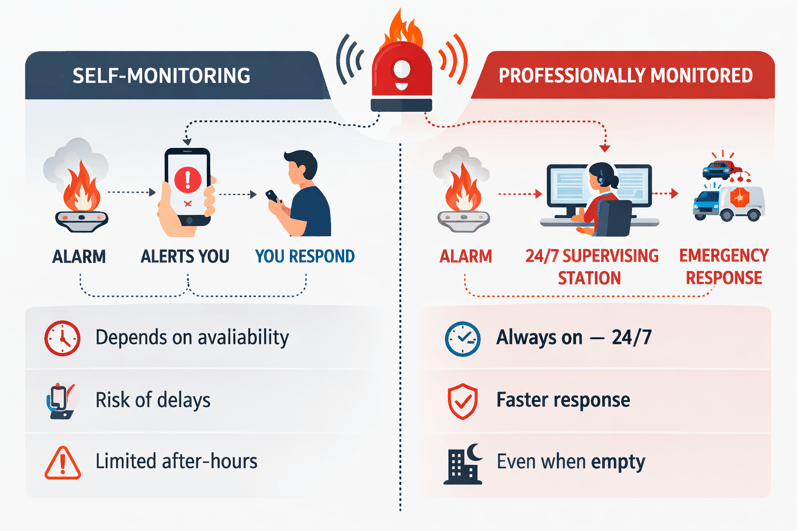
Self-monitoring typically means signals and notifications go only to you or your team through an app, text, or call list. There is no staffed supervising station receiving and acting on those signals around the clock.
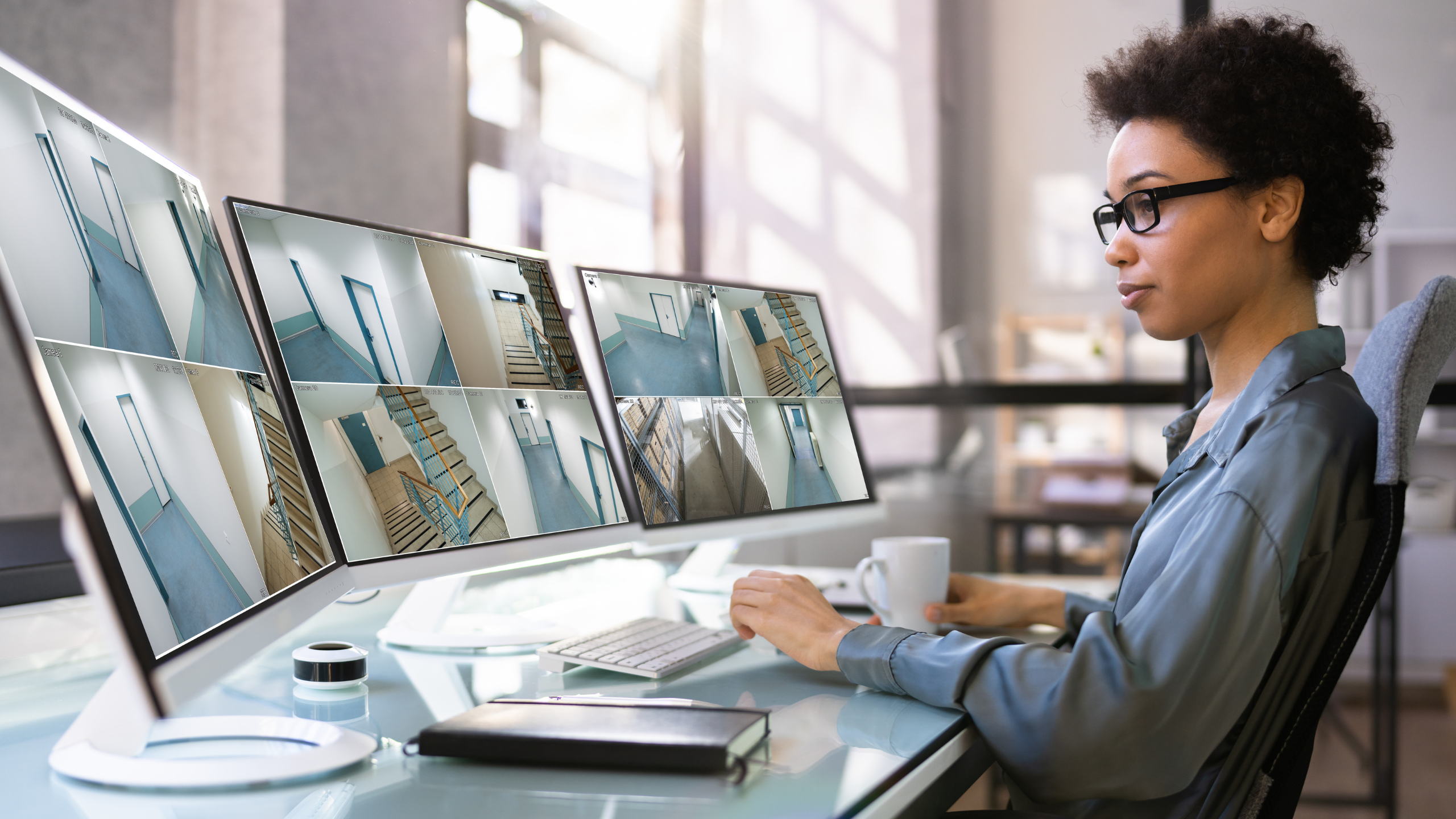
Professional monitoring means signals are routed to a constantly attended supervising station with established procedures for handling alarm, supervisory, and trouble events.
Self-monitoring
Self-monitoring can feel straightforward because alerts go directly to the people you choose. It is often considered when a site has consistent staffing and a clear internal plan for who responds, how they verify events, and when they contact emergency services.
Where self-monitoring can fall short is after hours, during holidays, or any time the alert is missed or delayed. In a real emergency, the system still depends on a person to recognize the alert, understand what it means, and act quickly.
Professional fire alarm monitoring
Professional monitoring is designed for the “no one is there” reality. Signals are handled by a supervising station that is staffed around the clock, with steps for escalation when an alarm comes in, and additional handling for supervisory and trouble signals that can indicate system impairment.
For many building owners, the value is consistency. The system does not depend on a single phone being on, charged, loud enough, or carried by the right person.
The real-world difference shows up after hours
During business hours, people can hear horns and see strobes. After hours, the response depends on signal transmission and follow-through. That is why the monitoring choice is most important when the building is empty, partially occupied, or staffed lightly.
Reliability is not just about the panel
Owners often focus on devices and hardware, but monitoring performance depends on the full chain: signal transmission, supervision of the communication path, power continuity, and what happens on the receiving side.
If you are comparing options, ask questions that map to real failure points. How do signals transmit? How is the communication path supervised? What happens when there is a trouble signal? What happens when the system loses power? Who is responsible for action when an event comes in.
Compliance and your AHJ
Requirements vary by occupancy type and by your Authority Having Jurisdiction. Even if app-based self-monitoring sounds convenient, it may not meet local code, lease requirements, or insurer expectations for certain buildings. If you are unsure, treat monitoring as a compliance and life-safety decision, not just a tech preference.
What building owners usually need in addition to monitoring
Monitoring is only one piece of a functional, compliant fire alarm program. Many owners also need routine inspection and testing, documentation for records, and service support when the system reports trouble or supervisory conditions.
This is also where system upgrades come into play. If you have an older panel, expanding tenant spaces, adding devices, or seeing recurring trouble signals, you may need an update that improves detection coverage and makes issues easier to pinpoint.
If you want a single place to direct readers for these related needs, you can link to a service page that covers monitoring, service and repairs, testing and inspections, and installation for fire alarm systems:
If you manage sprinklers too, here’s how it connects
Fire alarm signals and sprinkler systems often go hand-in-hand in commercial properties. Supervisory signals can relate to sprinkler valves or waterflow-related conditions, and inspections and certifications frequently overlap on the operations side.
Already have a system? Start with a monitoring and compliance check
A common scenario is inheriting an existing system after a purchase, a management change, or a tenant improvement. In that case, the first practical step is confirming the system can transmit signals reliably, that notifications and response procedures are clearly defined, and that inspection and test records are up to date.
This is also when owners discover small issues that create big headaches later, like outdated contact lists, unclear zones, weak coverage in a remodeled area, or recurring trouble conditions that never got resolved.
How to choose between fire alarm monitoring vs self-monitoring
A quick way to evaluate your situation is to ask:
- Will someone reliably respond within minutes, every time, including nights and weekends?
- Is the building ever unoccupied when a fire could start or spread unnoticed?
- Is professional monitoring required by your AHJ, insurer, or building type?
- Do you want a consistent process for supervisory and trouble signals, not just alarm events?
Want help choosing the right setup
If you want help comparing monitoring options for your building, including what may be required in your area and how to keep systems compliant through inspection, testing, and service, contact KPS Alarms for a consultation.
Key takeaways
- Self-monitoring depends on the right person seeing the alert and taking action fast.
- Professional monitoring adds a 24/7 supervising station response layer, especially useful after hours.
- Supervisory and trouble signals matter, not just full alarm events.
- Compliance requirements can vary, so confirm expectations with your AHJ and insurer.
- Reliability comes from the whole chain: power, signal path, and response process.